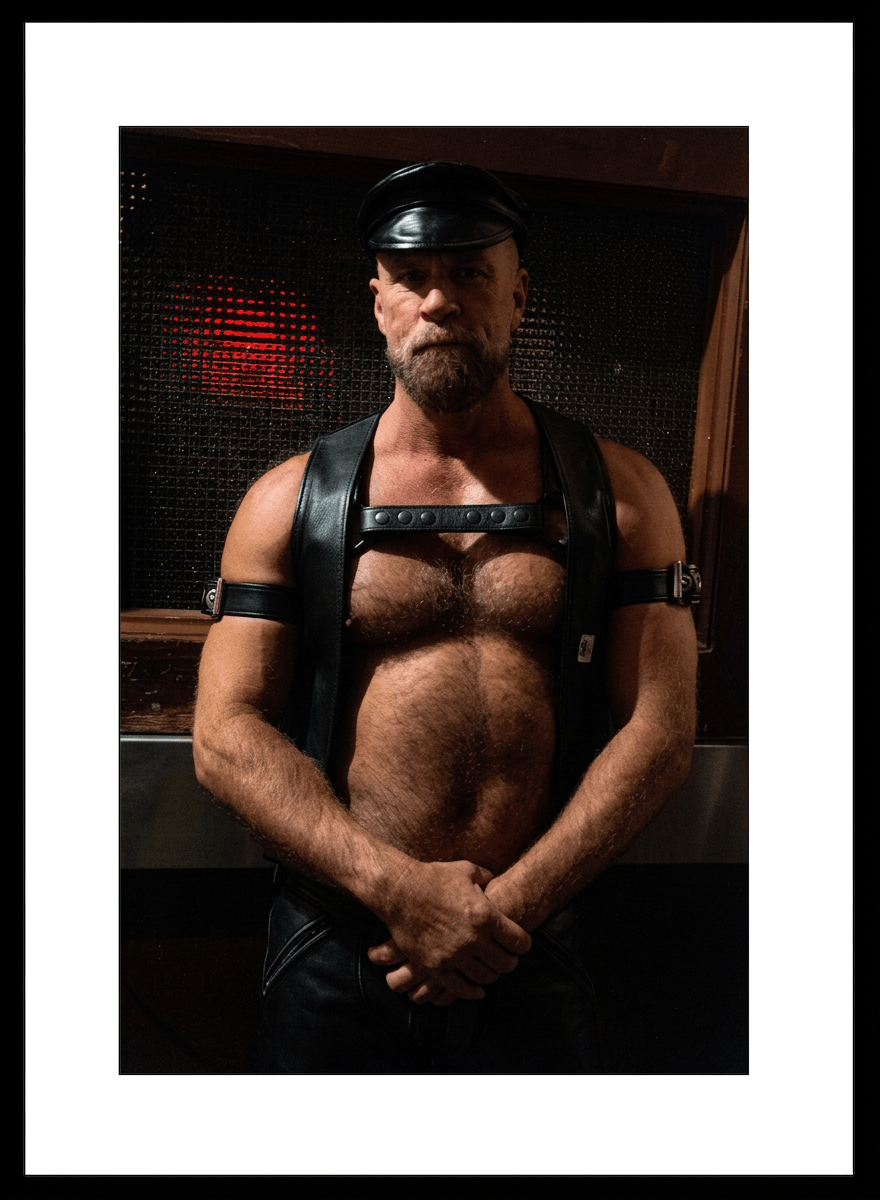
At first, it’s the leather.
Then the heat.
Then the realisation you’ve accidentally wandered into the most unbothered version of Europe.
Berlin does not blush. It sweats, stares, and keeps the lights low like it’s permanently mid-thought. During FOLSOM Europe, the city doesn’t host a festival so much as lose control of itself in public. The queer nightlife doesn’t stay politely indoors — it spills out onto the streets in leather, skin, noise, and a level of self-expression that would make most cities file a complaint.
For the queer traveller, this is not “an event”.
It’s a full emotional relocation.
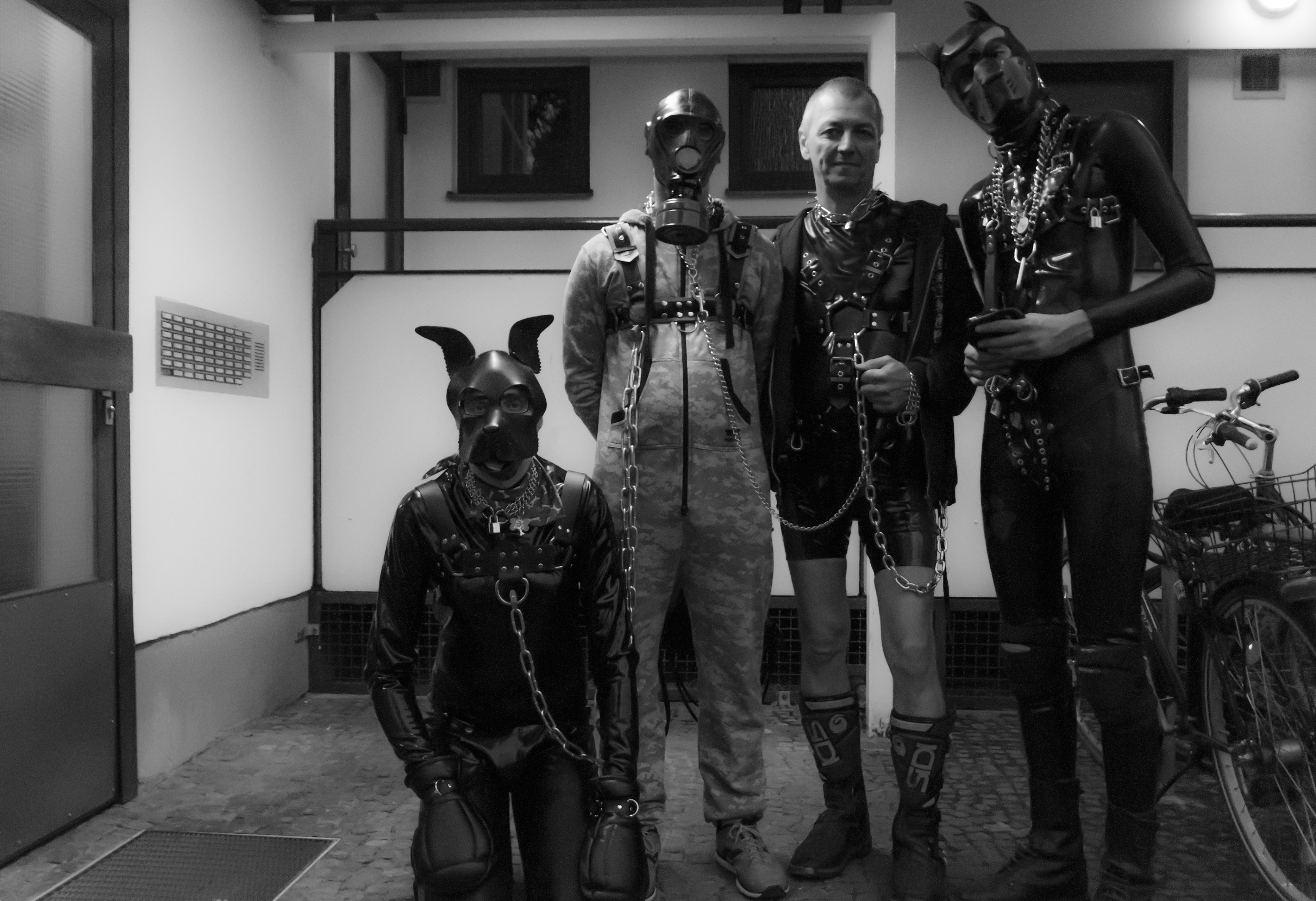
And through BØSE BUBEN, Andreas Rød doesn’t document it so much as get slightly too close to it. Bodies caught mid-movement. Faces half-recognised in flash. Desire hovering awkwardly between subject and lens like it’s not sure who’s supposed to behave. Nothing feels safely observed. Everything feels like it might look back.
This is Berlin, but not the brochure version.
This is Berlin after it stopped pretending.
Schöneberg: where the city drops the act
Schöneberg is where FOLSOM properly settles in — a district so pretty it almost feels suspicious about it. Tree-lined streets, wide boulevards, pre-war elegance doing its best impression of restraint. It’s giving “respectable European neighbourhood” right up until it absolutely isn’t.
Locals will tell you it’s the most beautiful part of Berlin.
They’re not wrong. They’re just understating the situation.
This is also historic queer ground. Marlene Dietrich once sharpened her androgyny here like it was a personal philosophy. David Bowie drifted through its fractured beauty like a man trying to tune into a different frequency of himself. The neighbourhood remembers all of it — not loudly, just in that slightly haunted way Berlin has of refusing to forget anything properly.
Schöneberg doesn’t reinvent itself for FOLSOM.
It just stops editing.
Streets that forget they are streets
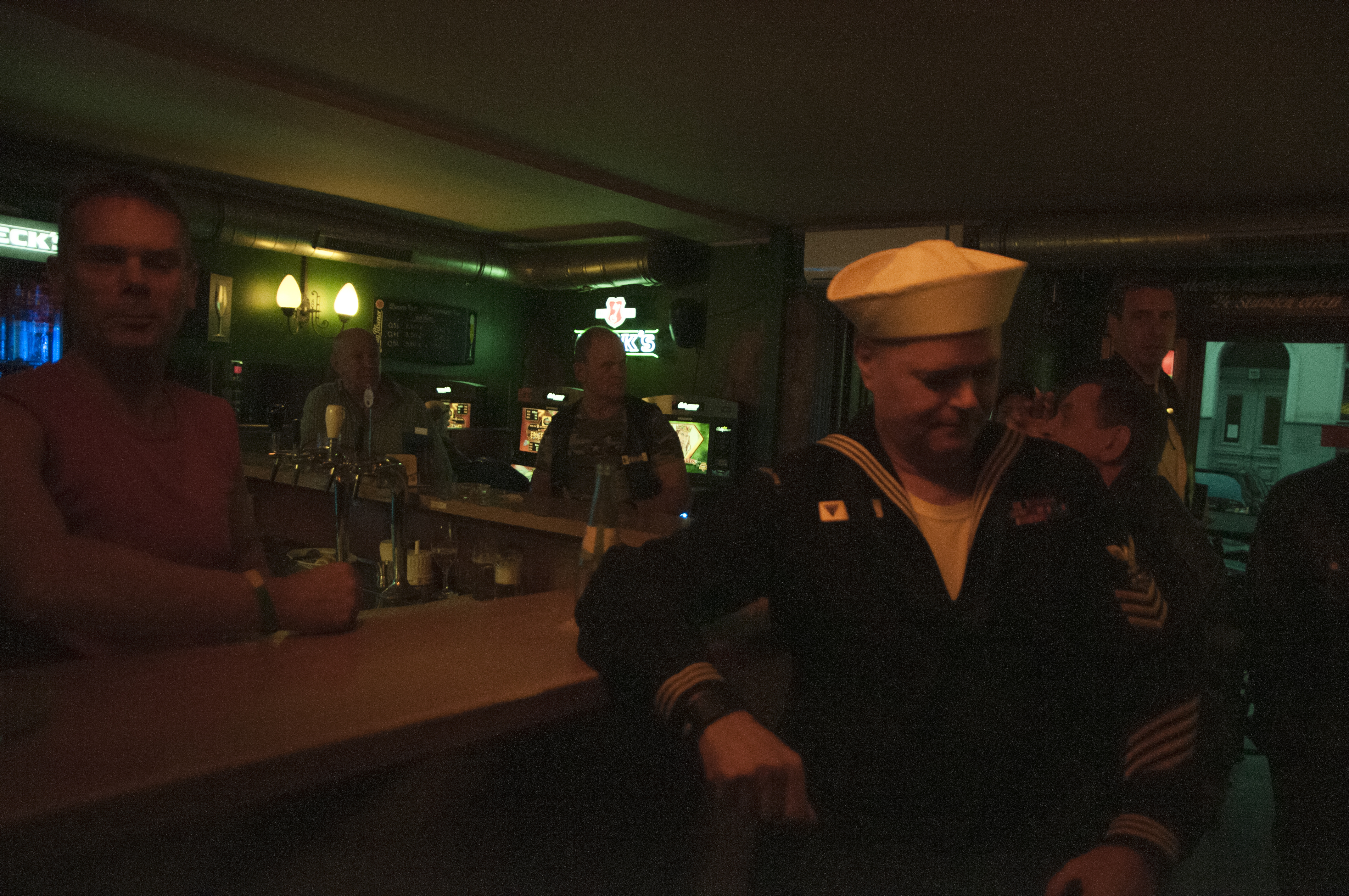
During FOLSOM, Fuggerstraße and Welserstraße stop behaving like infrastructure and start behaving like a social experiment nobody fully agreed to.
The party doesn’t stay inside venues. That would be far too organised. Instead, it leaks out — onto pavements, into doorways, across crossings where people pause, reappear, disappear again like they’re being edited in real time.
There’s a choreography to it, but nobody rehearsed it.
Men walking. Stopping. Greeting. Touching. Laughing. Re-entering the crowd like they’ve just remembered another version of themselves nearby.
A glance lasts half a second too long.
Somehow, that’s already a conversation.
In Berlin’s queer dialect, eye contact is basically a soft launch.

A neighbourhood built for wandering (and mild confusion)
Schöneberg during FOLSOM is not a destination. It’s a loop you keep accidentally re-entering.
On one street alone you’ll find:
bars where the bartender looks like he’s judging you, but lovingly
clubs hidden behind doors that absolutely do not want to be found
fetish shops displaying more identity options than most governments
cafés where flirting is technically optional but spiritually mandatory
Everything is walkable. Nobody walks in a straight line.
Music leaks from basements like the city is exhaling in basslines. The whole district becomes a layered sound system of desire, conversation, and slightly questionable decisions.
Fashion, fetish, and the art of not explaining yourself
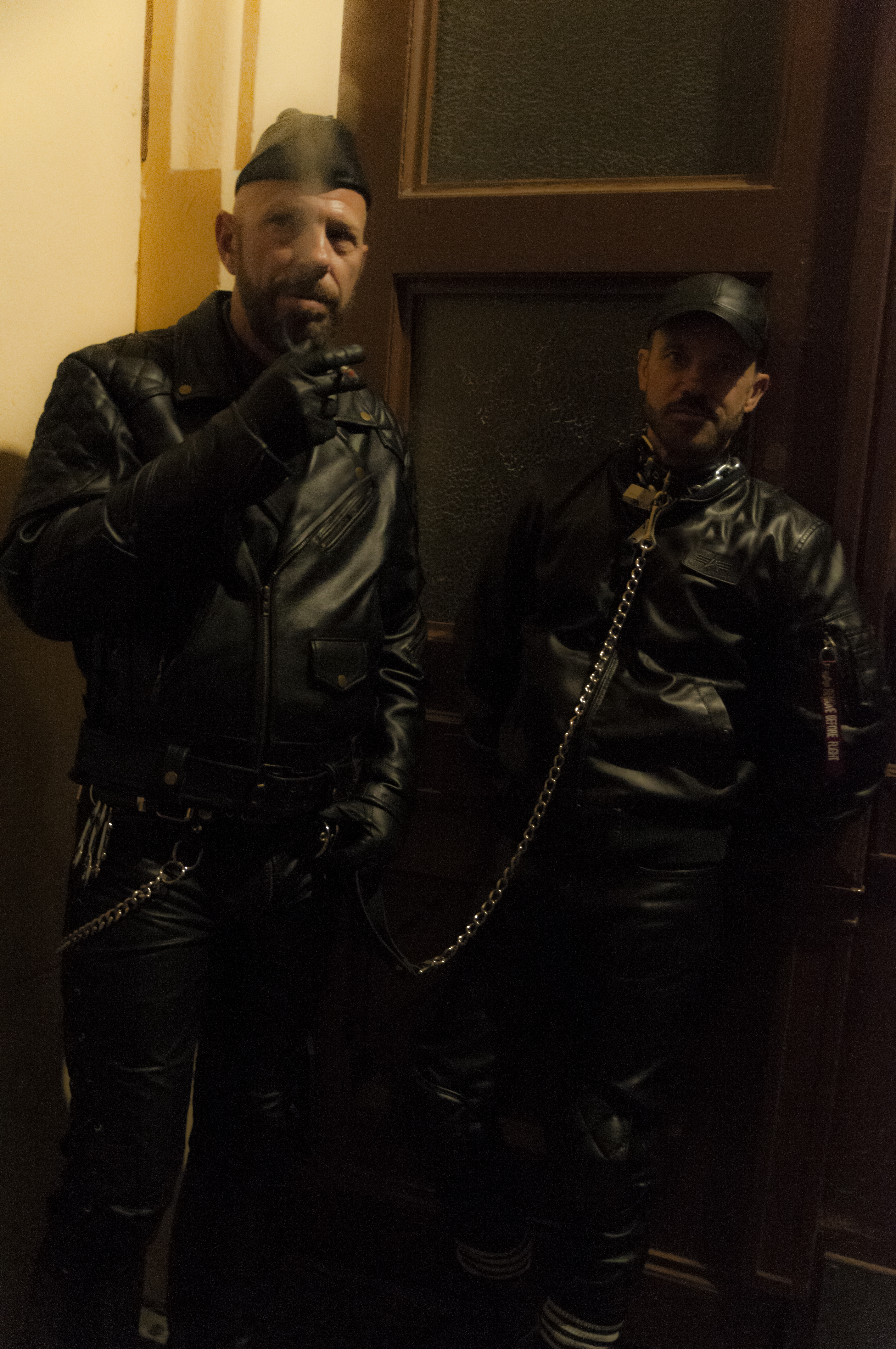
During FOLSOM, Schöneberg turns into something between a street festival and a very confident hallucination.
Leather. Rubber. Harnesses. Masks. Uniforms.
Not as costume — as statement. Or confession. Or both.
There is no sense of “dressing up”.
More a sense of finally dressing correctly.
Big trees cast long shadows over everything, softening edges, making bodies look like they’ve been lit by cinema rather than daylight. Everyone is different, but somehow aligned in energy: open, visible, unbothered by being seen.
It’s not performance.
It’s permission.

The Berlin paradox (or: emotional availability, but make it complicated)
Schöneberg during FOLSOM runs on contradiction:
Warm, but emotionally encrypted.
Inviting, but slightly unreadable.
Flirtatious, but with the restraint of someone who has seen too many tourists misinterpret enthusiasm.
Even the bluntness has texture here. A bartender’s deadpan isn’t rudeness — it’s a kind of intimacy that refuses to overperform itself. Berlin doesn’t do emotional subtitles.
Flirtation is not loud. It’s precise.
A look. A pause. A half-smile that may or may not be a decision.
You are never entirely sure if you’ve been invited somewhere or just briefly acknowledged as a concept.
That’s part of the charm. Allegedly.

FOLSOM Europe 2026 (for those already planning their personality shift)
FOLSOM Europe returns 10–13 September 2026, with the main street fair:
- Friday 11 September (18:00–21:00)
- Saturday 12 September (12:00–21:00)
📍 Fuggerstraße & Welserstraße, Schöneberg, Berlin
Expect:
- street fair chaos with suspiciously well-dressed confidence
- three outdoor stages of relentless sound
- club nights that start as “we’ll just have one drink”
- exhibitions, gatherings, and general emotional overstimulation
Full details: official Folsom Europe website (because even chaos has admin).

A city that lets you exist too loudly
FOLSOM in Schöneberg is not really about nightlife. It’s about visibility — the kind that doesn’t ask for permission or apology.
For a few days, nobody is shrinking themselves to fit the room. The room expands instead.
Bodies are not hidden. They are simply present.
Desire is not coded. It is just there.
Identity is not explained. It is lived at street level.
And underneath all the leather, noise, and beautifully unhinged social energy, there’s something unexpectedly soft:
A sense that, for once, you are not being edited.
That is Berlin.
Not a city asking to be understood.
A city asking what you might become when nobody asks you to explain yourself.

Photography by Andreas Rod
Text by Guard Bourgh
 #dt500mag