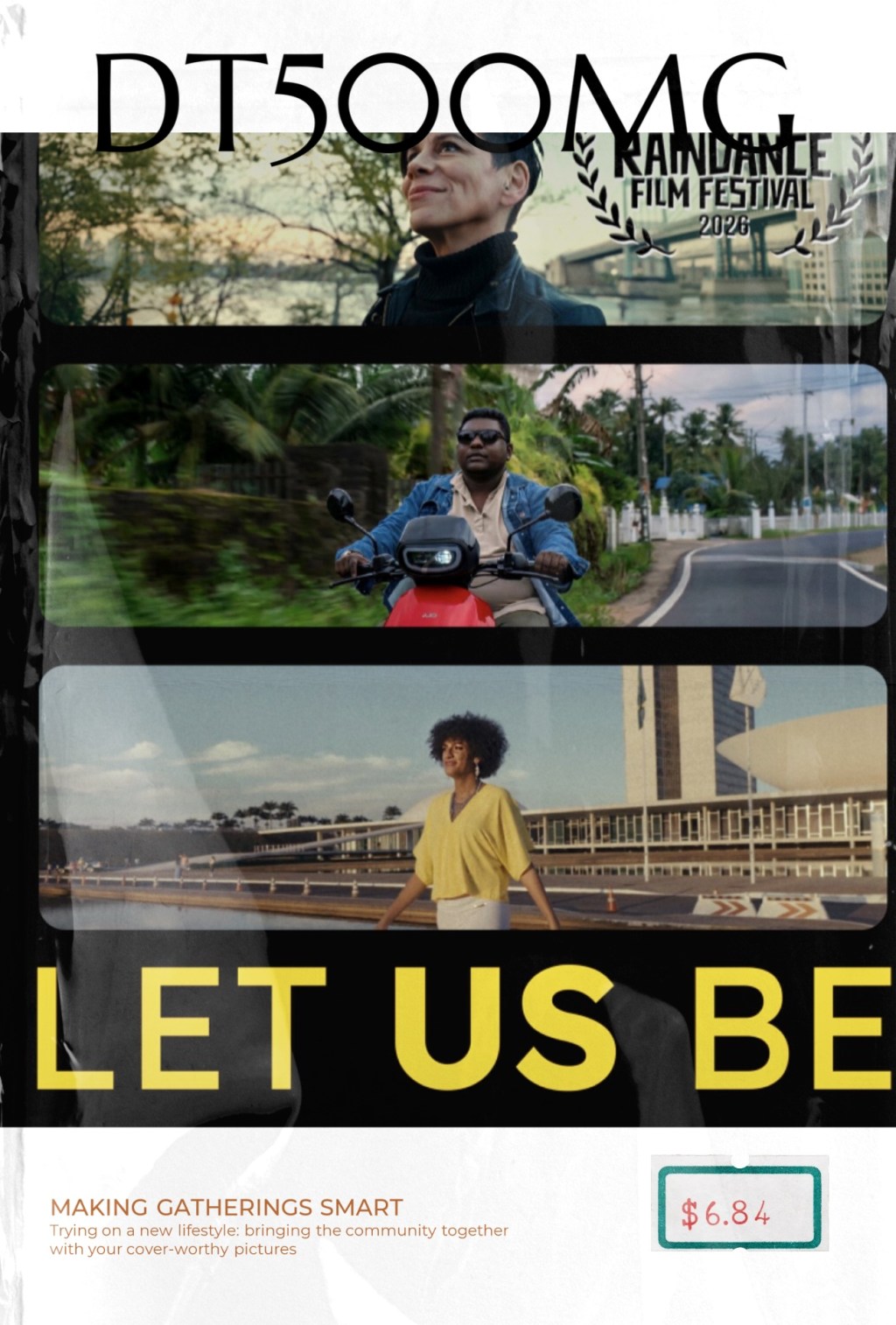
Review by Arthur Sopin LET US BE


There is a quiet, almost sacred moment in LET US BE when the conversation drifts away from politics and medicine into something far more intimate: childhood. That fragile early awareness of growing up with the sense that others — parents, doctors, teachers — already understood your body better than you ever could. Learning, often before language could contain it, that certain parts of yourself required explanation before they could be granted acceptance.
There is a quiet, almost sacred moment in LET US BE when the conversation drifts away from politics and medicine into something far more intimate: childhood. That fragile early awareness of growing up with the sense that others — parents, doctors, teachers — already understood your body better than you ever could. Learning, often before language could contain it, that certain parts of yourself required explanation before they could be granted acceptance.
This tender exchange sits at the emotional heart of Viviane D’Avilla’s sensitive and profoundly humane documentary. Leaving Vue Piccadilly yesterday evening and stepping back into the restless energy of London’s West End — past evening commuters with headphones pressed tight, the vibrant mosaic of faces flowing towards the Tube, the layered conversations spilling from Soho cafés — I felt the film’s quiet power settle deeply within me.

On the surface, LET US BE traces the lives of intersex individuals across Brazil, India, and the United States. It confronts, with unflinching clarity, the ongoing reality of non-consensual surgeries performed on intersex children, while thoughtfully examining broader questions of bodily autonomy, identity, and human rights. Yet the film’s greatest triumph is its refusal to reduce its subjects to medical cases or ideological symbols.
Instead, it reveals them as fully realised, complex individuals. Activists, educators, parents and community leaders — such as Hida Viloria, Lyss Ball, Carolina Iara and Aanandha Rajappan, Vidda Guzzo and Tiger Devore — emerge as people who work, fall in love, raise families, argue over dinner tables, and carry the ordinary weight of daily life alongside their deeper struggles. Their stories feel both singular and achingly universal: the exhaustion of constantly explaining oneself, the quiet longing for belonging, and the resilience demanded by a world eager to categorise.
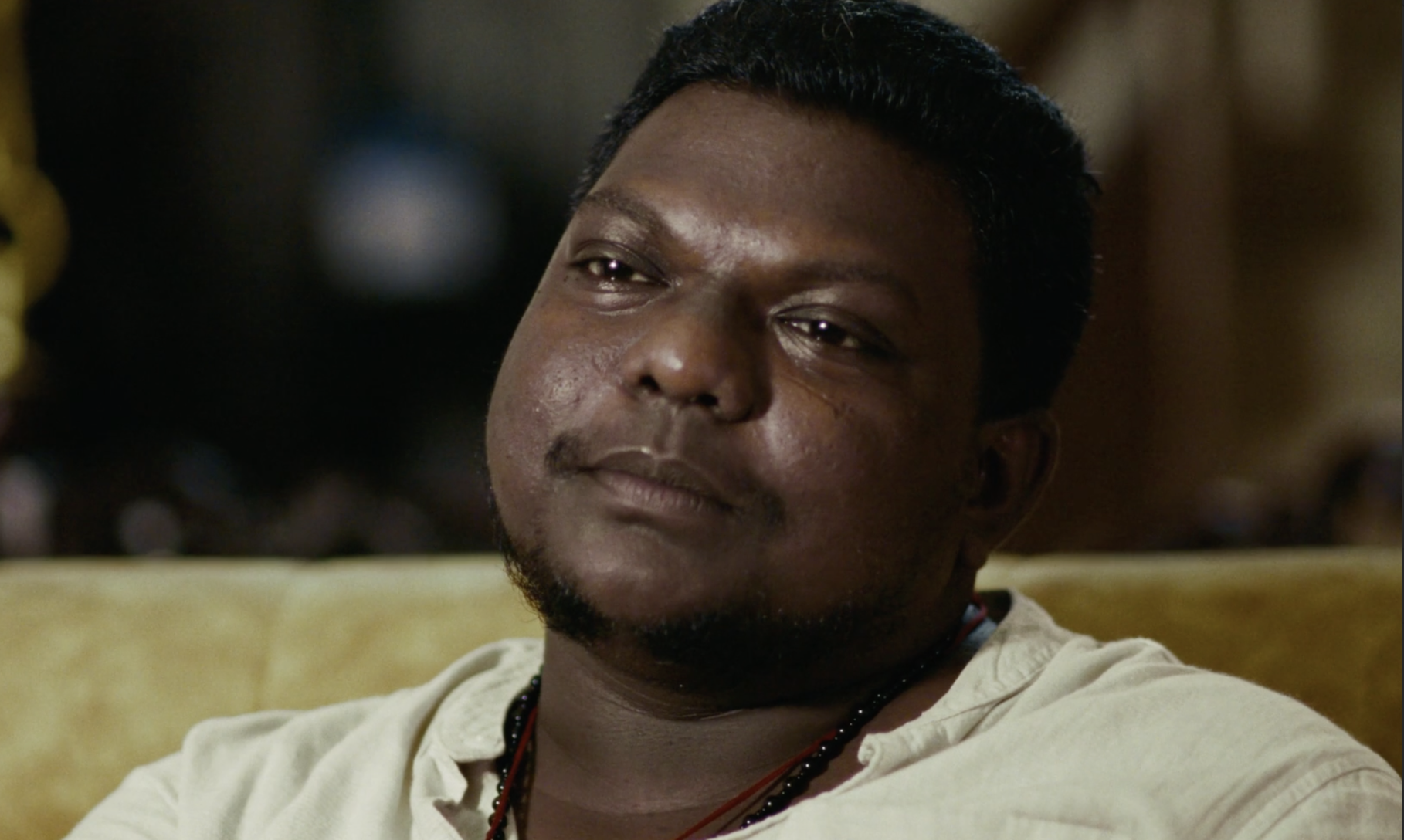
As someone who often contemplates these themes while navigating the multicultural rhythms of contemporary London — where disparate worlds collide daily on the Northern Line or in the bustling corners of Soho — I was particularly struck by D’Avilla’s admirable directorial restraint. She favours patient observation over polemic, allowing her participants to speak in their own unhurried voices. The camera listens with genuine respect. In our sharply polarised public discourse, this approach feels both radical and necessary: it prioritises human encounter over ideological victory.
The film’s international architecture allows shared questions to resonate across continents: Who decides what is “normal”? Who truly owns the body? What are the human costs when institutions impose irreversible decisions upon children? LET US BE offers no simplistic resolutions — and is all the more intellectually honest and emotionally powerful for that restraint.
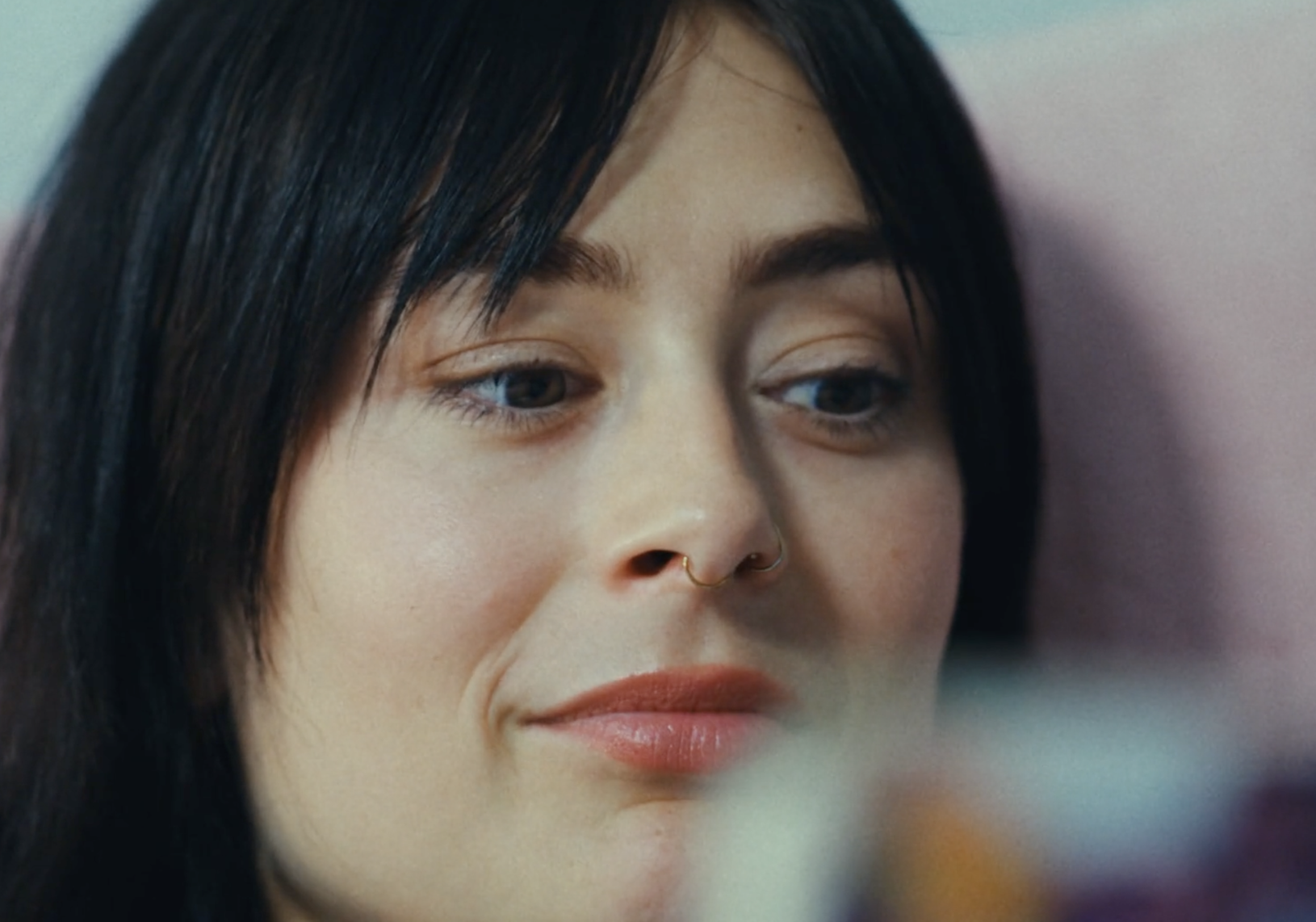
The most affecting scenes are often the quietest: family conversations, resurfacing childhood memories, and moments of shared humour among those who have long navigated misunderstanding. These remind us that exclusion is rarely abstract theory; it is lived intimately, in homes, schools, and hospital rooms.
In an era of rigid certainties and performative declarations, LET US BE makes an elegant yet urgent case for curiosity and expanded attention. It does not ask us to abandon our beliefs, but to enlarge them — to recognise the full, breathing person behind every category.
I watched the film yesterday at Vue Piccadilly as part of the 34th Raindance Film Festival – one of the UK’s leading independent film festivals. It was sharp, dynamic, and tightly told, followed by an engaging Q&A with the team.
Highly recommended.

Additional Interview: LET US BE, and the Question Modern Britain Still Struggles to Answer: Can We Live With Ambiguity?
“We often feel like both and neither. We can see ourselves in everyone we’ve ever met while simultaneously feeling like no one truly sees us.”
Lyss Ball’s words in Viviane D’Avilla‘s LET US BE are devastating not because they are specific, but because they are recognisable. They describe the lived reality of being intersex, yes — but they also speak to a wider unease in contemporary life: the strain of existing in a culture that increasingly demands neat answers from messy human beings.
Following the screening at Raindance, I spoke with D’Avilla and Ball about why the film feels so urgent now. In Britain, where debates around sex, gender, identity and belonging have become more polarised than ever, LET US BE arrives as a necessary corrective to the language of certainty. It asks what happens when institutions, the media, and public discourse insist on categories that real lives do not always fit into.
At first glance, the documentary traces intersex lives across Brazil, India and the United States, confronting the reality of non-consensual surgeries performed on intersex children and the long struggle for bodily autonomy. But to call it simply a film about intersex experience is to miss its larger argument. LET US BE is about ambiguity itself — and about the violence that can follow when ambiguity is treated as a problem to be solved rather than a reality to be respected.
Ball’s contribution to that argument is one of the film’s most affecting. Asked what remains difficult to explain in a culture increasingly uncomfortable with complexity, she described the duality at the heart of intersex life.
“It’s certainly difficult to fully convey the complexity of the lived experience of an intersex person,”
-Lyss said.
“There’s a duality to our existence that does not always make sense. We often feel like both and neither. We can see ourselves in everyone we’ve ever met while simultaneously feeling like no one truly sees us.”
It is a line that cuts through the noise because it captures something many people recognise, even if they have never had to name it so directly: the feeling of being interpreted before being understood. Ball spoke of teaching herself to be “a chameleon” — able to blend in, adapt and empathise, yet still feeling as though she takes off a mask at the end of the day. Then came the line that stayed with me:
“Now, I just feel like I have a superpower.”
In that transformation from shame to strength lies one of the film’s quietest and most powerful achievements.

D’Avilla, meanwhile, makes clear that the film’s urgency is not only personal but political. What began as curiosity became, over nearly a decade, a responsibility. She spoke about the project as an attempt to break a silence that has shaped intersex lives for generations, and about the danger of treating bodies that do not fit familiar categories as if they were errors to be corrected rather than people to be understood.
That silence is what LET US BE sets out to break. D’Avilla is not interested in reducing intersex people to medical cases, ideological symbols or abstract talking points. Instead, she asks why societies remain so uncomfortable with bodies and identities that do not fit fixed categories. Her answer is as elegant as it is unsettling: sometimes injustice survives not because it is hidden, but because it keeps the structure familiar. Ambiguity, by contrast, asks us to change the way we see the world.
That, ultimately, is why the film matters now. In an age of algorithmic sorting, culture-war shorthand and public debate that rewards speed over thought, LET US BE insists on something far more demanding: listening. It refuses the false comfort of easy binaries. It asks viewers to sit with uncertainty long enough to recognise the human being inside it.
D’Avilla puts this beautifully when she speaks about the difference between being visible and being valued. Visibility, she suggests, is not the same as dignity. To be seen is not necessarily to be understood; to be represented is not necessarily to be respected. That distinction gives the film much of its moral force.
What lingers after LET US BE is not outrage, though there is certainly injustice here to confront. It is something quieter and, in its own way, more radical: the sense that human life is larger than the categories built to contain it. The film does not ask for pity or even agreement. It asks for the freedom to exist honestly.
That is why LET US BE feels so timely, and why it resonates far beyond the intersex community. It speaks to anyone who has ever been misread, flattened or forced to explain themselves in a world that prefers certainty to complexity. Its central argument is simple but urgent: ambiguity is not a failure of identity. It is part of being human.
In the end, the film’s title feels less like a plea than a challenge. Let us be — not corrected, not simplified, not reduced. Just allowed to exist, fully and without apology.
“Acceptance can sometimes still feel distant. It can mean: I allow you to exist, but I may not really want to know you. Understanding is deeper. It requires listening, humility, and the willingness to change the way we see someone. To be accepted is important, but to be understood is to feel truly seen.”
Perhaps that is the lasting achievement of LET US BE. It asks us to move beyond acceptance towards understanding, and to recognise that, as D’Avilla ultimately concludes,
“Difference is not the opposite of humanity. Difference is part of humanity.”
Written by Arthur Sopin
Especially for the 34th Raindance Film Festival, London, June 2026
I extend my warmest regards and profound thanks to David Martinez of Raindance and Denise Parkinson of Variety —two distinguished cultural curators whose dedication to discovering and elevating exceptional voices continues to shape and enrich the contemporary cultural landscape. Their work reminds us that great festivals and great journalism share a common purpose: to uncover stories that matter and ensure they are heard.
 #dt500mag