by Arthur Sopin
There is something quietly disarming about the National Gallery’s new Zurbarán exhibition. Nobody asks visitors to lower their voices, yet they do. People move slowly, then stop, unexpectedly transfixed by a single fold of painted linen or a humble bowl of fruit. Phones stay in pockets longer than usual. It is one of those rare exhibitions that changes behaviour before it even delivers its ideas.
That may be its greatest achievement.
For years, museums have fought declining attention spans with spectacle: immersive projections, digital trickery, and blockbuster theatrics. Zurbarán requires none of it. The National Gallery has done something genuinely radical — it has trusted the viewer to look.
The exhibition claims to be about seventeenth-century Spain. Its real subject is attention itself.
Standing before Zurbarán’s saints, time thickens. White robes glow against velvety darkness with almost supernatural precision. A lemon, a ceramic cup, a rose — ordinary objects acquire the emotional weight normally reserved for human faces. Nothing hurries. Nothing competes. The paintings wait for the viewer to catch up.
That patience feels quietly revolutionary.

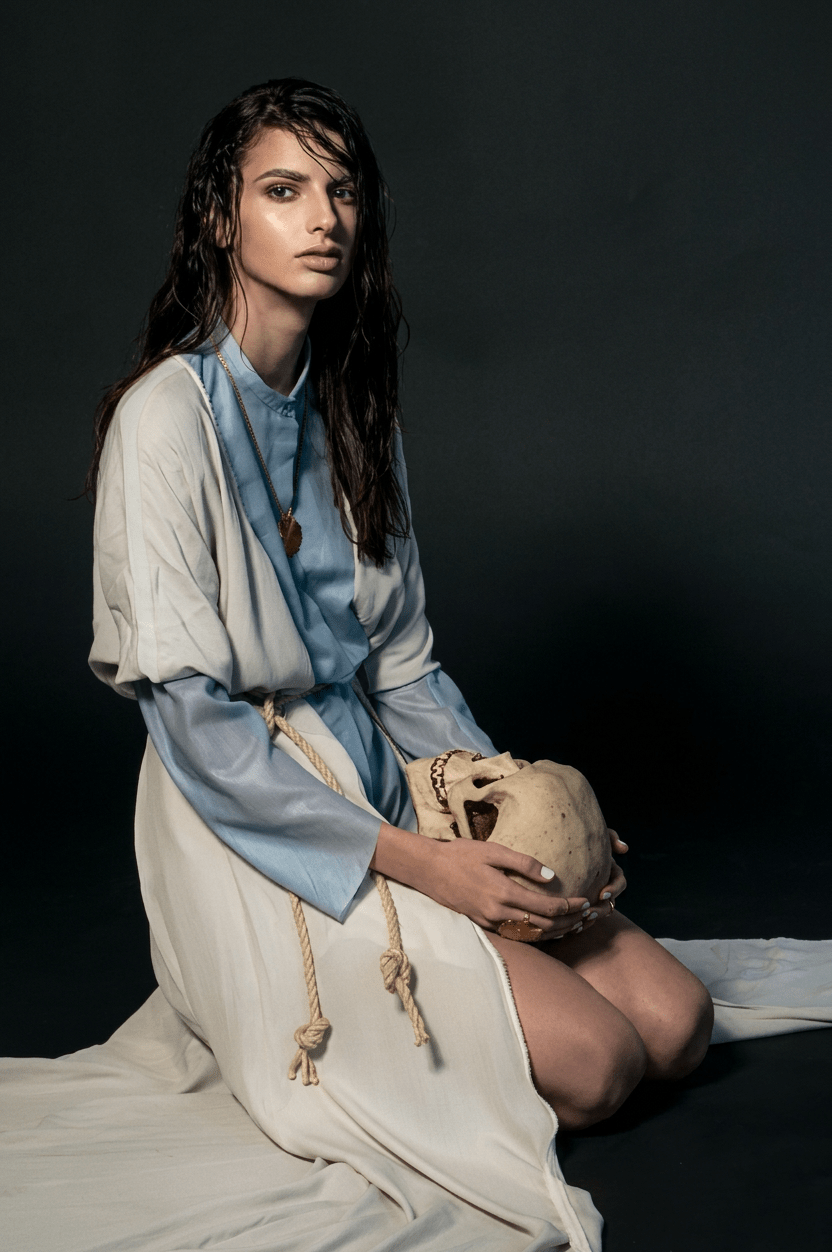
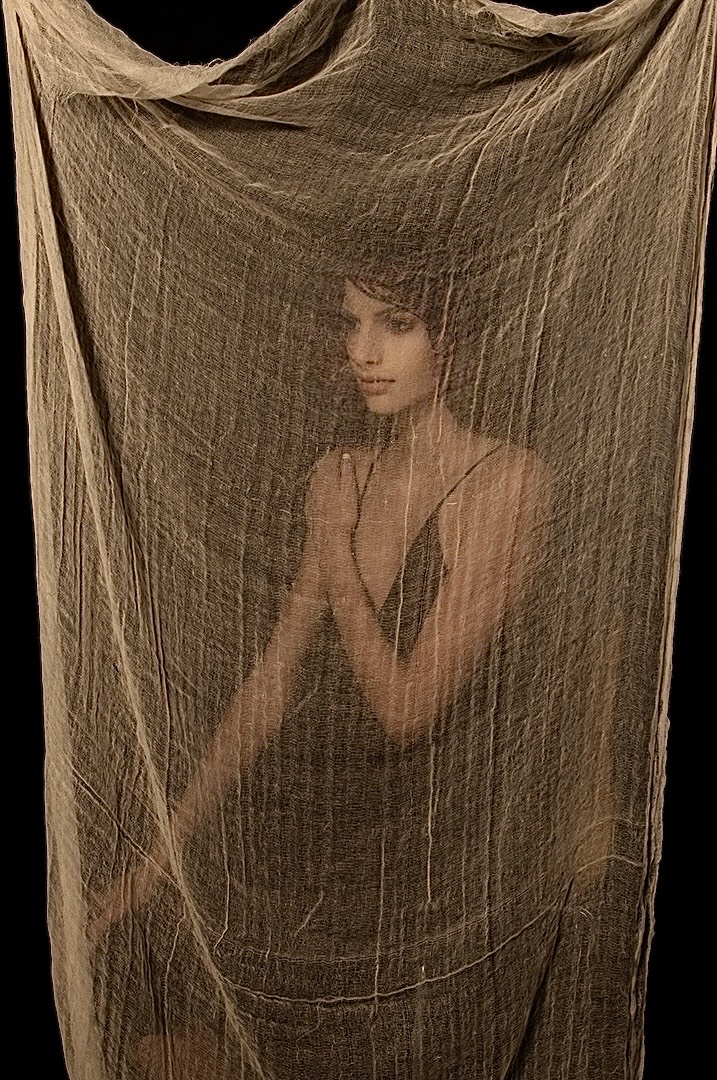
Four centuries later, Norwegian photographer Andreas Rød asks the same question in a radically different language. In his Role Play series, bodies hover between portrait, performance and identity. Clothing becomes architecture, gesture becomes psychology, and the self refuses easy definition. Like Zurbarán’s canvases, Rød’s photographs resist the glance and reward only the gaze.
The pairing is unexpected, yet strangely inevitable. One works in oil on canvas, the other in light and lens, but both understand that meaning in the visible world emerges only through sustained attention.
This is what makes both artists feel so urgently contemporary.
We live in an age of image overload, but the deeper crisis is perceptual. Never have so many images circulated; never have we looked at them so superficially. Paintings shrink to thumbnails. Photographs become content. People reduce to profiles.
The algorithm does not just shape what we see — it is reshaping how we see.
It trains us to value instant recognition over discovery, certainty over ambiguity, reaction over reflection.
We no longer ask “What am I looking at?” but “Have I seen this before?”

Zurbarán and Rød dismantle that habit. Their work cannot be consumed efficiently. It offers no shortcut, no headline, no immediate dopamine hit. The longer you look, the more it yields.
Both refuse prediction. Both insist on an encounter.
And the implications stretch far beyond the gallery walls. Democracy, journalism, even personal relationships all depend on the same endangered capacity: the willingness to remain with complexity rather than rushing to judgement.
Material itself becomes their argument. Zurbarán turns linen into theology and light into tenderness. Rød treats fabric and gesture with equivalent seriousness — recording power, vulnerability and aspiration. In both cases, objects do not symbolise meaning.
Through patient looking, they become meaning.
Great art does not merely change how we think about paintings. It changes how we see everything else. Leaving the National Gallery, the world feels subtly recalibrated: a handrail catches the light differently, rain-darkened stone resembles velvet, a stranger at a crossing carries the quiet dignity of one of Zurbarán’s saints.
That shift may be the exhibition’s most enduring gift.
At a time when artificial intelligence can manufacture realities and algorithms dictate what we notice, Zurbarán and Andreas Rød offer a quiet but forceful proposition:
The future may not depend on how intelligent our machines become, but on whether we remain capable of looking deeply enough — at art, at objects, and at one another — to truly see.
 #dt500mag