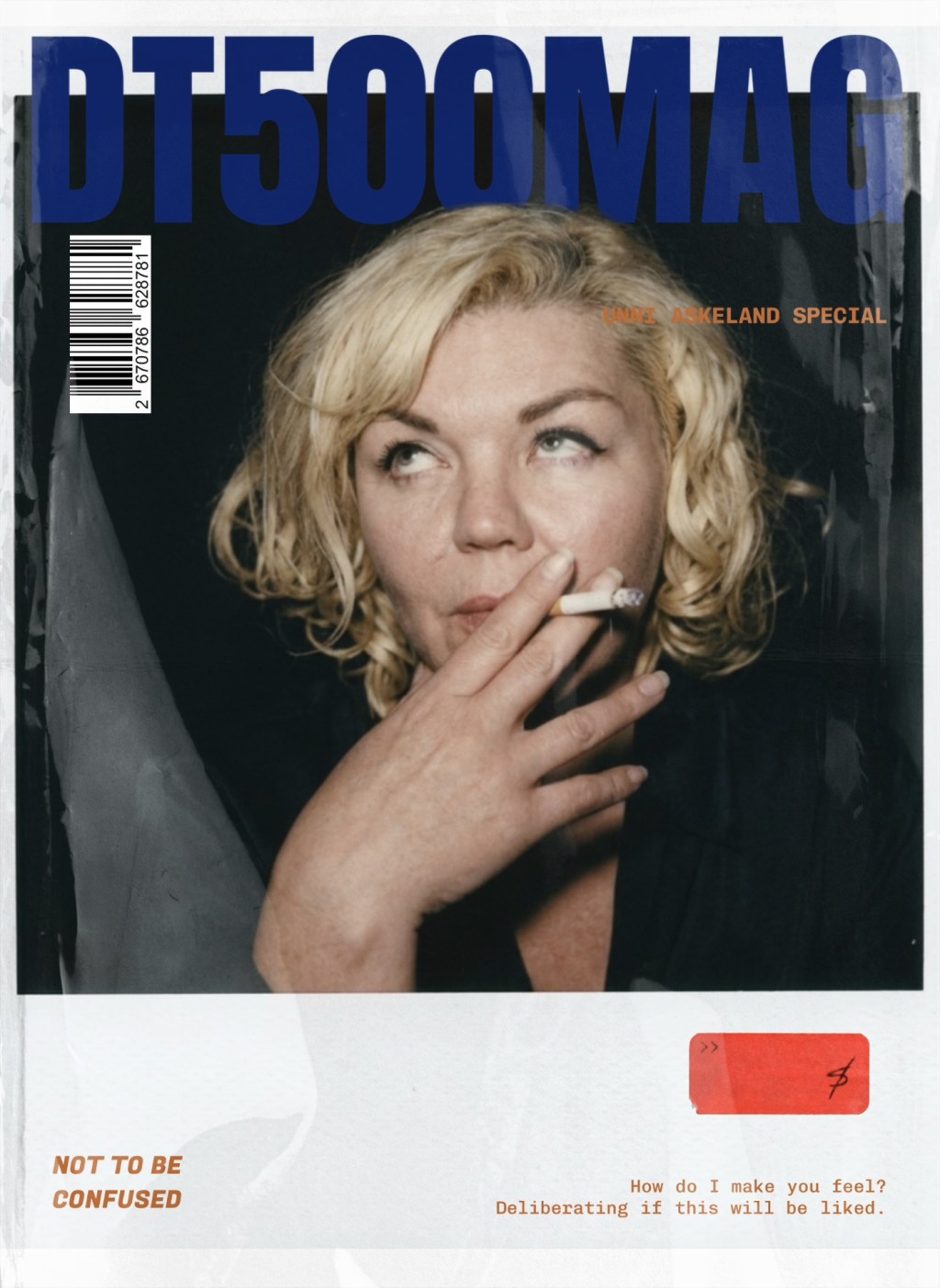

Unni Askeland | Palimpsest
Some artists make paintings. Unni Askeland constructs psychological landscapes.
For more than three decades, the Oslo-based artist has occupied a singular position within Scandinavian contemporary art, moving between expressionism, portraiture and cultural critique with a practice that is as emotionally charged as it is visually uncompromising. Her paintings refuse neutrality; they absorb the anxieties, contradictions and mythologies of the society surrounding them, transforming personal experience into a broader meditation on power, identity and collective memory.
We meet Askeland in the quiet lounge of Oslo’s historic Hotel Continental, where conversation unfolds with the same intensity that characterises her work. Over glasses of white wine, stories drift between art, politics and the peculiar psychology of contemporary Norway before leading us across the harbour to Palimpsest, her exhibition at Fineart Oslo.
The exhibition’s title borrows from the ancient manuscript whose original text remains visible beneath successive layers of writing—a fitting metaphor for Askeland’s practice. History, rage, memory and image are never erased; they accumulate, overlap and insist on being read together.
In the following essay, critic Tommy Olsson approaches Palimpsest not simply as an exhibition but as an intervention into a Europe increasingly shaped by anxiety, polarisation and the mechanics of public outrage. Through Askeland’s paintings, anger is neither celebrated nor condemned; it is examined as one of the defining emotional conditions of our time.
In Oslo, words rarely stay still. They drift through conversations in hotel lounges, echo across studio floors, and dissolve into the city’s informal rhythm of cafés, apartments and late-night exchanges. It is within this restless linguistic atmosphere that the practice of Unni Askeland takes shape—less as a fixed position than as an ongoing dialogue with the city itself.
Her presence in contemporary Norwegian culture has long been defined by this interplay among speech, image and persona. In Askeland’s orbit, language becomes performative material: sharp, improvisational, and often deliberately unpolished, reflecting a broader Oslo sensibility where art is inseparable from lived social intensity.
To speak of her work, then, is to speak of Oslo as much as of painting.
” ET STED UNDERVEIS SKJØNTE NOEN AV OSS AT DET VIL BLI NØDVENDIG Å SKJØNNE RASERIET – IKKE BARE VÅRT EGET, MEN RASERIET PER SE. VI OPPHOLDT OSS TIL TIDER LENGER ENN NØDVENDIG I KOMMENTARFELTETS MØRKE, DER SINTE DYSLEKTIKERE KONSEKVENT BRUKTE CAPS LOCK OG MENGDER AV UTROPSTEGN, SOM OM DE BARE VILLE GJØRE DET KLART, AT DET DE DE HADDE Å SI OGSÅ MÅTTE FORMIDLES PÅ ET SÆRDELES HØYT VOLUM.
PLUTSELIG EN DAG SATT KOMMENTÆRFELTET I REGJERING, OG RASERIET MÅ PLEIES. VI VIL SE TILBAKE PÅ DET SOM EN AV INTERNETTS BARNESYKDOMMER, SIDEN DE FLESTE AV OSS TENKER PÅ SEG SELV SOM VOKSNE, REFLEKTERTE MENNESKER, SOM I HVERT FALL IKKE TENKER INNRØMME AT MAN SELV HAR KLART Å GJENNOMSKUE DEN ENKLE MEKANISMEN; NÅR VI ANONYMISERER FOLK, ELLER HELE FOLKEGRUPPER, ER DET EN MER ELLER MINDRE BEVIST TAKTISK FOR Å AVLEDE VÅRT EGEN RASERI.
NAZISTER, KOMMUNISTER, MUSLIMER, FEMINISTER, SNUTEN, SVENSKER, FOLK SOM HOLDER PÅ ET ANNET LAG I FOTBALL, NARKOMANE, AFRIKANERE, PROSTITUERTE, DE SOM RØYKER, DE SOM IKKE RØYKER – INGEN AV OSS KOMMER UNNA, OG JEG HAR OGSÅ MINE EGNE IRRATASJONSPUNKTER PÅ DETTE BETENTE KARTET.
DET ER EN FULLTIDSJOBB Å TA ANSVAR FOR DEN OFTE BERUSENDE OG INTENSE FØLELSEN AV Å VÆRE SKIKKELIG FORBANNET PÅ EN SÅNN GAMMELTESTAMENTLIG MÅTE SOM TRUER MED Å UTSLETTE ALLE SLAGS RELASJONER MAN HAR.
MEN NOK OM DET – JEG NEVNER DISSE TINGENE INNLEDNINGSVIS FOR Å GJØRE DET ENKLERE Å GÅ I DIALOG MED DENNE INTERVENSJONEN TIL UNNI ASKELAND.
OG FORDI DET NETTOPP ER FORBINDELSEN MELLOM ANONYMITET OG RASERI SOM ADRESSERES HER, DER DET MEST ARKAISKE PROFILBILDET – DENNE GRÅ SILHUETTEN SOM FOREKOMMER I DE FLESTE SOSIALE MEDIER HELT TIL MAN FÅTT SEG TIL Å LASTE OPP SITT PERSONLIG PROFILBILDE – FÅR SEG NOEN RUNDER MED HAGL.
SELVSAGT ER TIMINGEN AVGJØRENDE HER – DET ER VANSKELIG Å IKKE I FØRSTE REKKE OPPFATTE ARBEIDET SOM EN REAKSJON PÅ HENDELSENE I PARIS NÅ NYLIG, OG EN MULIG FREMTID I ET EUROPA OMRINGET AV SÅ DÅRLIGE NYHETER SOM DEN ISLAMISKE STAT.
DONALD TRUMP SOM PRESIDENT I USA, OG AT VLADIMIR PUTINS SJULTE AGENDA IKKE NØDVENDIGVIS LENGER ER SKJULT NÅR VI ER KOMMET SÅ LANGT. DET ER LOV Å VÆRE BEKYMRET. DET ER MER PROBLEMATISK Å VÆRE REDD.
MIN FAR BLE BESTANDIG USIKKER NÅR HAN MÅTTE NOE UTENFOR RUTINENE – KJØRE BIL I EN FREMMED BY, HILSE PÅ UKJENTE MENNESKER, ELLER FORHOLDE SEG TIL FOLK I DET HELE TATT – OG NÅR HAN BLE USIKKER BLE HAN REDD. OG NÅR HAN BLE REDD BLE HAN SINT. PROGRESJONEN DERFRA ER FURUTSIGBAR.
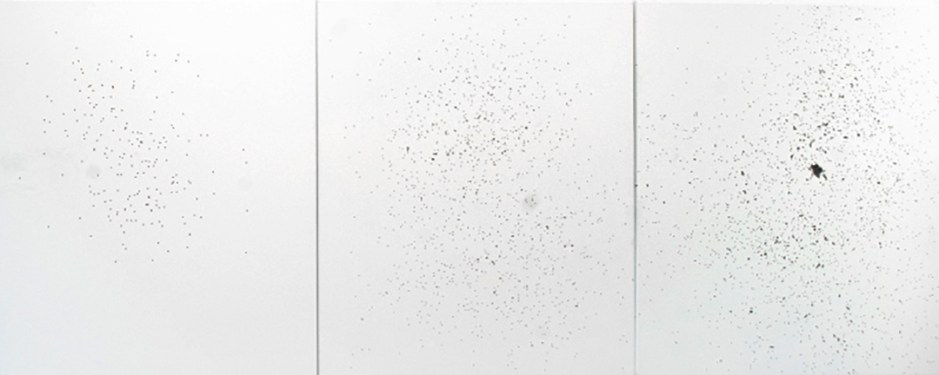
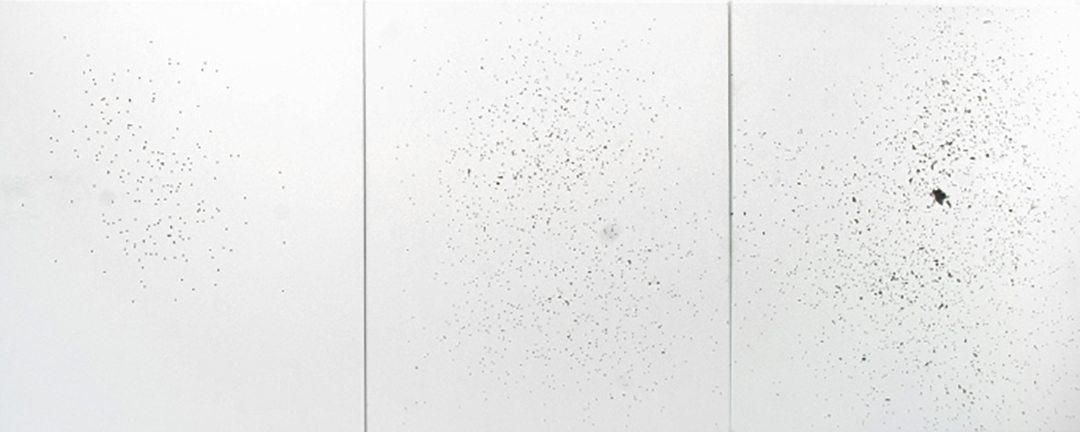
MEN DET MINNER OSS OGSÅ PÅ DEN SERIE “SHOTGUN PAINTINGS” WILLIAMS S BURROUGHS PRODUSERTE I VELDIG HØY ALDER NÅR HAN TOK PAUSE FRA Å SKRIVE – SELV OM DE I ETTERTID KAN SE UT TIL Å HANDLE OM NOE ANNET ER FORBINDELSEN I METODEN IKKE TIL Å LURE SEG UNNA. OG EN SITAT FRA HAN RINGER I ØRET SOM EN PROFETISK EKKO FRA DET HINSIDIGE;
“AFTER A SHOOTING SPREE, THEY ALWAYS WANT TO TAKE THE GUNS AWAY FROM THE PEOPLE WHO DIDN’T DO IT. I AM SURE AS HELL I WOULDN’T WANT TO LIVE IN SOCIETY WHERE THE ONLY PEOPLE ALLOWED GUNS ARE THE POLICE AND THE MILITARY”.
DET ER TID FOR VÅPENTRENING NÅ.
TEXT BY TOMMY OLSSON
© Arthur Sopin n Andreas Rod
https://www.fineart.no/search?q=unni+askeland
 #dt500mag