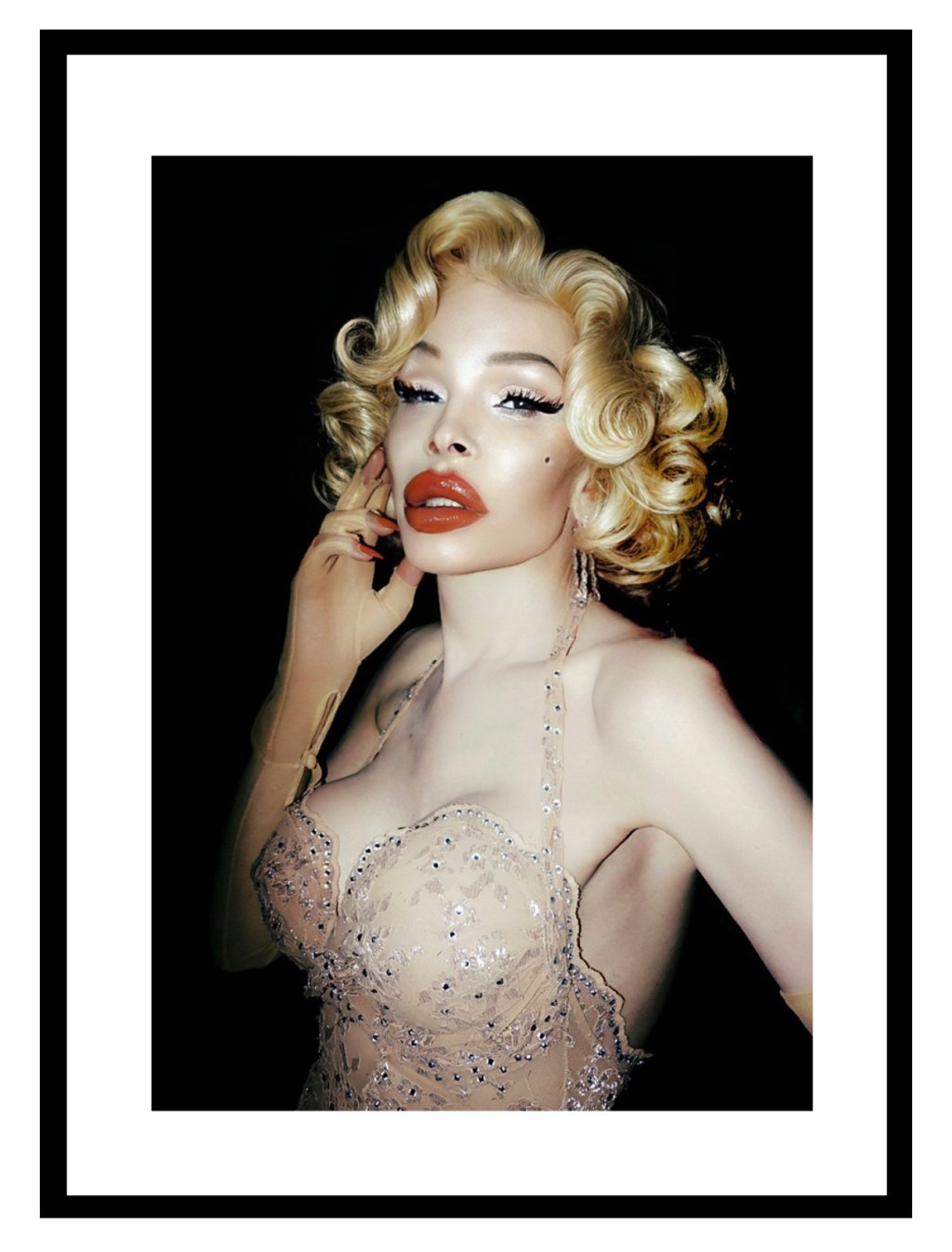

CURATORIAL STATEMENT
NO, IT IS NOT; NOT, ALWAYS
9.03-31.03.2018
AT THE CRYPT GALLERY, DYSPLA INTERNATIONAL MOVING IMAGE FESTIVAL, LONDON
14.03-18.03.2018
Let us begin with an inconvenient observation: documentary photography is, at present, having something of a credibility crisis. Not a dramatic collapse — nothing so aesthetically satisfying — but a slow, rather polite unravelling of its former authority. The idea that a photograph might still function as evidence now feels less like a fact and more like a nostalgic habit.
This exhibition is premised on that awkward reality.
It asks what documentary photography becomes once we stop pretending it is innocent.
Because the contemporary condition is not a shortage of images, but an excess of them — most of which arrive pre-emptively interpreted, algorithmically optimised, and emotionally flattened for immediate consumption. In such an environment, “truth” is no longer something the image delivers. It is something the image negotiates, performs, or — if we are honest — struggles to survive.
The work developed by Arthur Sopin and Andreas Rød through DT500 Magazine operates precisely within this uncomfortable terrain. It is documentary photography, yes — but not in the reassuring sense of the word. There is no polite distance, no institutional neutrality, no fantasy of the camera as a well-behaved observer in the corner of history.
Instead, the camera behaves more like a social instrument with opinions.
The lineage here is deliberately unstable. One can sense the diaristic proximity of photographic intimacy at its most exposed — the kind of work where the photographer is not outside the scene but uncomfortably inside it, implicated, emotionally compromised, occasionally unsure whether they are documenting life or simply failing to escape it.
Alongside this sits a more polished, editorial register — the world of constructed presence, controlled glamour, and deliberately staged authenticity, where the subject understands the camera all too well and behaves accordingly. If documentary traditionally promised truth, this lineage reminds us that truth has always had excellent posture and lighting when necessary.
There is also a more abrasive inheritance: image-making that tests the ethics of proximity itself. The kind of photography where boundaries are not so much crossed as renegotiated in real time, and where the viewer is never entirely certain whether they are witnessing intimacy, performance, or something uncomfortably in between. One might call it documentary, if one is feeling generous.
And then, crucially, there is the logic of the event — photography as situation rather than object. Not the frozen image, but the happening that produces it. A social choreography in which subjects, photographer, and audience are all quietly complicit in the construction of what later gets called “documentary evidence”.
None of this is resolved. That is rather the point.
The exhibition refuses the comforting fiction that documentary photography is a stable genre with clear moral boundaries. Instead, it treats it as a field of productive contradictions: intimacy and exposure, consent and performance, authorship and surrender, sincerity and construction — all operating simultaneously, and not always politely.
What makes this work contemporary is not simply its subject matter, but its awareness that the rules have changed. Photography no longer sits outside the culture it depicts; it is one of the primary ways culture now recognises itself. And recognition, as it turns out, is rarely neutral.
Within this condition, the central figure of the work — the protagonist, if one insists on such a term — is not a character to be understood, but a device through which understanding itself is destabilised. They are neither subject nor symbol, but a moving point of negotiation between visibility and refusal, performance and fatigue, being seen and being comprehensively misread.
Historically developed through immersive exhibitions and editorial environments across London, Berlin, Oslo, and New York — including earlier installations combining photography, moving image, performance, and open-call participation — the practice extends documentary photography beyond the frame and into the room. The image is no longer an endpoint. It is an atmosphere.
And this is where the urgency lies.
Because contemporary visual culture has perfected the art of attention without understanding. We see everything. We comprehend very little. The result is not ignorance, but something more refined: aesthetic familiarity without interpretative depth.
Against this, the exhibition proposes a rather unfashionable position — sustained looking.
Not fast consumption. Not curated feeds. Not the gentle violence of instant legibility. But attention that lingers long enough to become uncomfortable.
It is, admittedly, not a popular proposition.
The exhibition ultimately argues that documentary photography today is not in crisis because it has failed, but because it has succeeded too well at becoming invisible within the systems that consume it. Its task is therefore no longer to prove reality, but to resist its premature simplification.
If that sounds excessive, it is only because the present condition of images is already excessive.
And in that sense, the question is no longer whether documentary photography can still show us the world.
It is whether we are still capable of looking at it without immediately misunderstanding it.
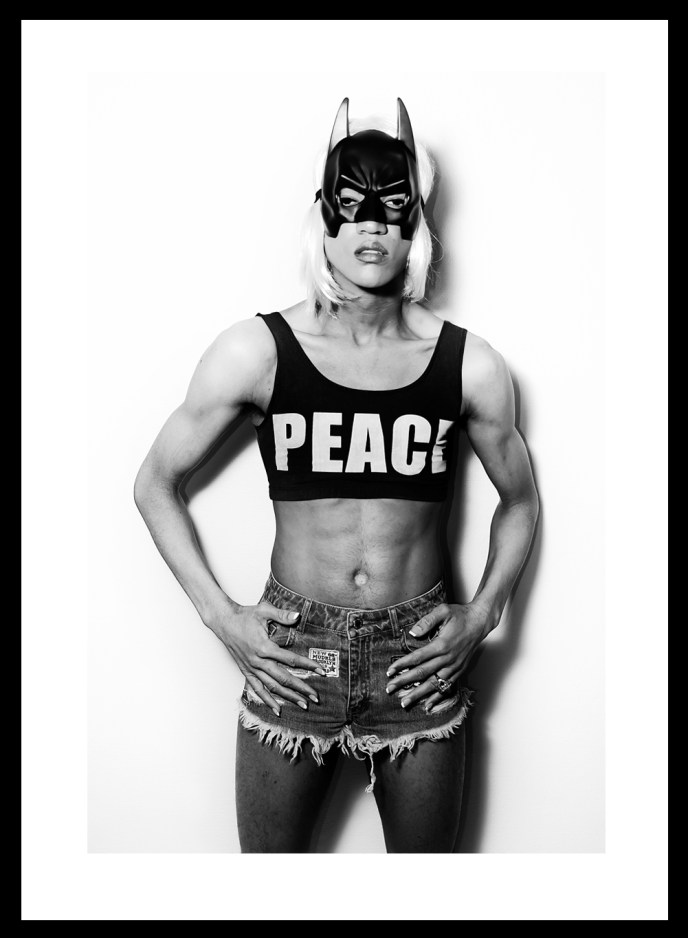
Nmr. 600-750. ANDREAS ROD & ARTHUR SOPIN, Bøse Buben NYC ´16, Size A1 Aluminium, Price £ 3 500
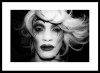
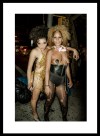
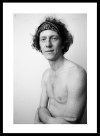
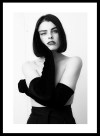
RAPTURE!
© PORTRAITURE BY ANDREAS ROD AND ARTHUR SOPIN, 2018
 #dt500mag