
One might politely ask whether the world urgently requires another exhibition on “unity”.
The answer, judging by the current condition of geopolitics, algorithmic fracture, and the general aesthetic collapse of public discourse, is rather: yes. Painfully so. Or at least urgently enough to justify a room in West London and a well-lit press release.
REFRACTIONS OF THE AXIAL: IMAGE, FAITH, AND THE POLITICS OF UNITY arrives as both proposition and provocation—though it behaves, at first glance, more like a sermon that has discovered a camera.
It proposes something almost unfashionably ambitious: that the great axial traditions of faith are not opposed systems, but deep structural correspondences refracted through culture, geography, and time. In other words, difference is not rupture, but optical distortion. A rather elegant idea—provided one is comfortable ignoring the politics of who holds the lens.
At the conceptual core sits the so-called Axial Age, that academic catch-all for the period in which humanity apparently became spiritually interesting. The exhibition leans heavily on this framework: prophets, philosophers, and founders reframed as participants in a shared historical emergence rather than isolated doctrinal revolutions.
The argument is seductive in its simplicity: if one looks deeply enough, all religions resemble each other more than they resemble their own surface interpretations.
It is the kind of claim that plays particularly well in gallery lighting.





Conclusion
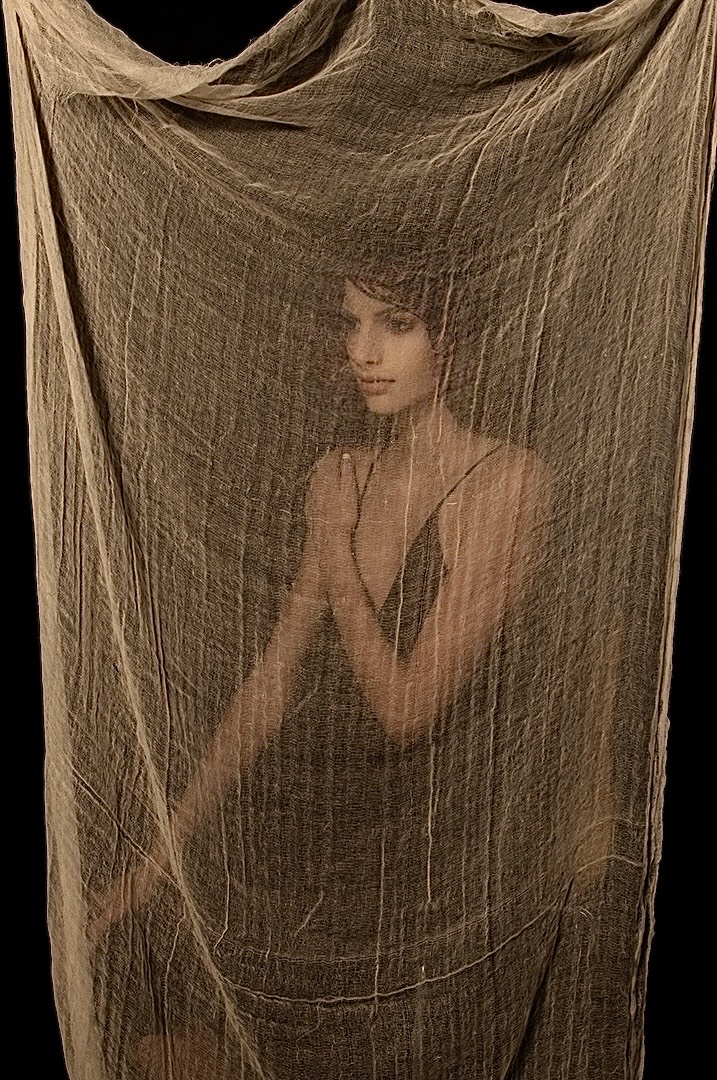
“Illuminating Unity” invites you to look beyond the surface and explore the profound spiritual depths that unite us all. Through the art of photography, we celebrate the rich tapestry of human faith and culture, recognising that each thread, while unique, is part of a greater whole. As we journey through this exhibition, let us remember that in seeing, we create a world imbued with the inner light that has guided humanity through the ages.
Thank you, and may your experience here be enlightening and transformative.
© Idea by Charlott Dazan, along with Arthur Sopin and Andreas Rod
 #dt500mag